Discover the Essential Services Offered by a Construction Manager for Your Next Project
In the building sector, a CG contractor is essential in making the project succeed. Their support covers extensive project management, cost management, and organizing different groups. This knowledge base not only streamlines operations but also addresses compliance and guaranteed quality - Hickory top rated Commercial General Contractor. Grasping these crucial offerings can significantly affect the outcome of your project. What key advantages can a GC provide for upcoming project?
Thorough Project Oversight
Detailed project administration is essential for the successful execution of construction projects. It requires a structured approach that includes planning, coordination, and oversight of a job from inception to completion. A construction manager is key in this process, guaranteeing that all elements of the job align with the client's vision and regulatory requirements.
Effective project management means establishing project scopes, timelines, and expected outcomes while keeping lines of communication open among team members. The contractor coordinates subcontractors, handles supplies and equipment, and oversees quality assurance to make sure the build adheres to defined requirements. Furthermore, a thorough project strategy incorporates risk management methods to recognize risks promptly and develop related resource mitigation plans.
In the end, effective oversight fosters collaboration, streamlines processes, and boosts the probability of completing a build on time and according to the set parameters, thereby maximizing client satisfaction and project success.
Budgeting and Cost Control
Successful project oversight naturally leads to the need for strict financial planning and expenditure management. A construction manager is essential in establishing a clear financial framework for a project. This involves thorough budget forecasting based on project specifications, labor, materials, and tools. By recognizing budget threats in advance, the contractor can implement strategies to reduce these risks, guaranteeing that the project stays on target financially.
Additionally, regular review of costs throughout the project lifecycle is essential. The firm uses established procedures to track costs against the budget, facilitating timely changes as needed. This disciplined process is key to preventing cost overruns but also strengthens monetary oversight across all involved parties. Crucially, good budgeting and expense control promote financial transparency, enabling well-grounded decisions and the distribution of resources, which is critical for the successful completion of any building endeavor.
Managing Subcontractors and Suppliers

While managing a construction project, managing vendors and subcontractors is crucial for ensuring smooth operations and meeting deadlines. A commercial general contractor plays a pivotal role in orchestrating these relationships, ensuring that all parties are aligned with the project's timeline and goals. Effective communication among subcontractors, suppliers, and the general contractor is crucial for reducing delays and avoid expensive miscommunications.
The GC handles the sequencing of subcontractor work sequences, thereby streamlining workflow and optimize resource allocation. Moreover, they oversee material purchasing from suppliers, ensuring that necessary resources are delivered punctually and affordably. By supervising these crucial exchanges, the GC can quickly resolve emerging problems, leading to a more seamless construction process. Crucially, this management does more than just boost project efficiency but also ensures the ultimate success of the construction endeavor, ensuring that all components come together seamlessly.
Following Construction Laws and Rules
Adhering to building codes and regulatory standards is a core duty of a commercial general contractor, since not following these rules may result in major legal and financial penalties. A commercial general contractor needs to have comprehensive knowledge of all relevant governmental regulations that pertain to construction work. Their specialized skill permits them to manage complicated regulatory systems, making certain every facet of the project—from planning through completion—meet required standards.
Additionally, contractors often work closely with architects, engineers, and regulatory agencies to confirm that specifications and plans meet code standards. By conducting regular inspections and assessments, they are able to detect regulatory problems soon, lessening risk and averting costly postponements. Ultimately, a strong commitment to regulatory compliance not only safeguards the contractor's reputation but also safeguards the client's welfare, guaranteeing successful project completion and without undue difficulty.
Ensuring Quality and Monitoring Safety
Site safety and quality control form vital parts of a commercial general contractor's role, directly impacting the success and integrity of construction projects. These factors guarantee that all work satisfies required criteria
A professional builder implements rigorous inspection processes to ensure that materials and workmanship comply with project specifications - Hickory top rated Commercial General Contractor. Frequent site inspections take place to locate possible risks and copyright safety rules among workers. This preventative method not only protects personnel but also avoids expensive hold-ups and rework caused by safety incidents or quality issues
In addition, effective communication between the contractor, subcontractors, and suppliers is vital for maintaining high standards throughout the project lifecycle. By prioritizing quality assurance and safety oversight, a commercial general contractor promotes a sense of ownership, ultimately contributing to the successful completion of projects on time and cost-effectively
Questions and Answers
What Kinds of Projects Can a Commercial General Contractor Manage?
A commercial general contractor can manage diverse projects, including office buildings, retail spaces, warehouses, industrial facilities, remodeling jobs, and new constructions. They manage the entire process, making sure quality is maintained, compliance, and punctual finishing of each project.
What's the Best Way to Pick the Right Commercial General Contractor?
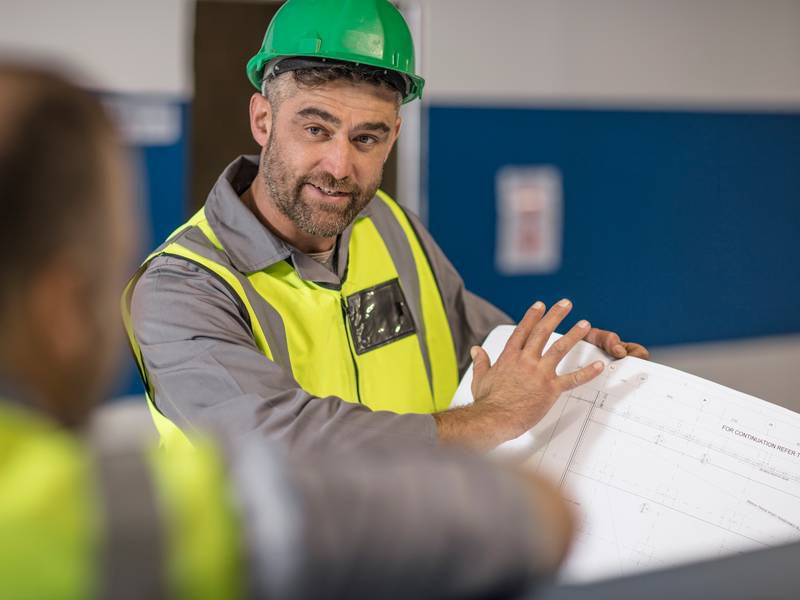
To select the ideal commercial general contractor, one should evaluate their experience, check references, gauge their financial health, compare project portfolios, and demand transparent communication. A detailed choosing method can ensure successful completion.
What Can I Anticipate During the Initial Consultation?
During the initial consultation, clients can expect discussions about desired outcomes, timelines, cost projections, and what the contractor offers. This meeting provides a starting point for creating shared comprehension and setting clear expectations between the client and contractor.
How Do Builders Handle Project Timelines Effectively?
Contractors efficiently handle project timelines by utilizing detailed planning, defining key checkpoints, managing timetables, and maintaining open communication with all stakeholders. They also adjust resources as needed to ensure the project finishes on time and reduce possible hold-ups.
What Advantages Come From Employing a General Contractor Versus DIY?
Engaging a general contractor furnishes expertise, managing the entire project, and a connection with a network of skilled professionals. This ensures superior craftsmanship, timely completion, and compliance with regulations, thereby minimizing the burden and expensive errors versus self-managed projects.